Can You Spray Laminate and Foil-Wrapped Kitchen Cabinets? Adhesion Primers Explained
Discover how Elite Decorators & Spraying Ltd transforms tired foil-wrapped kitchens. Learn the science of adhesion primers and specialist trade coatings.
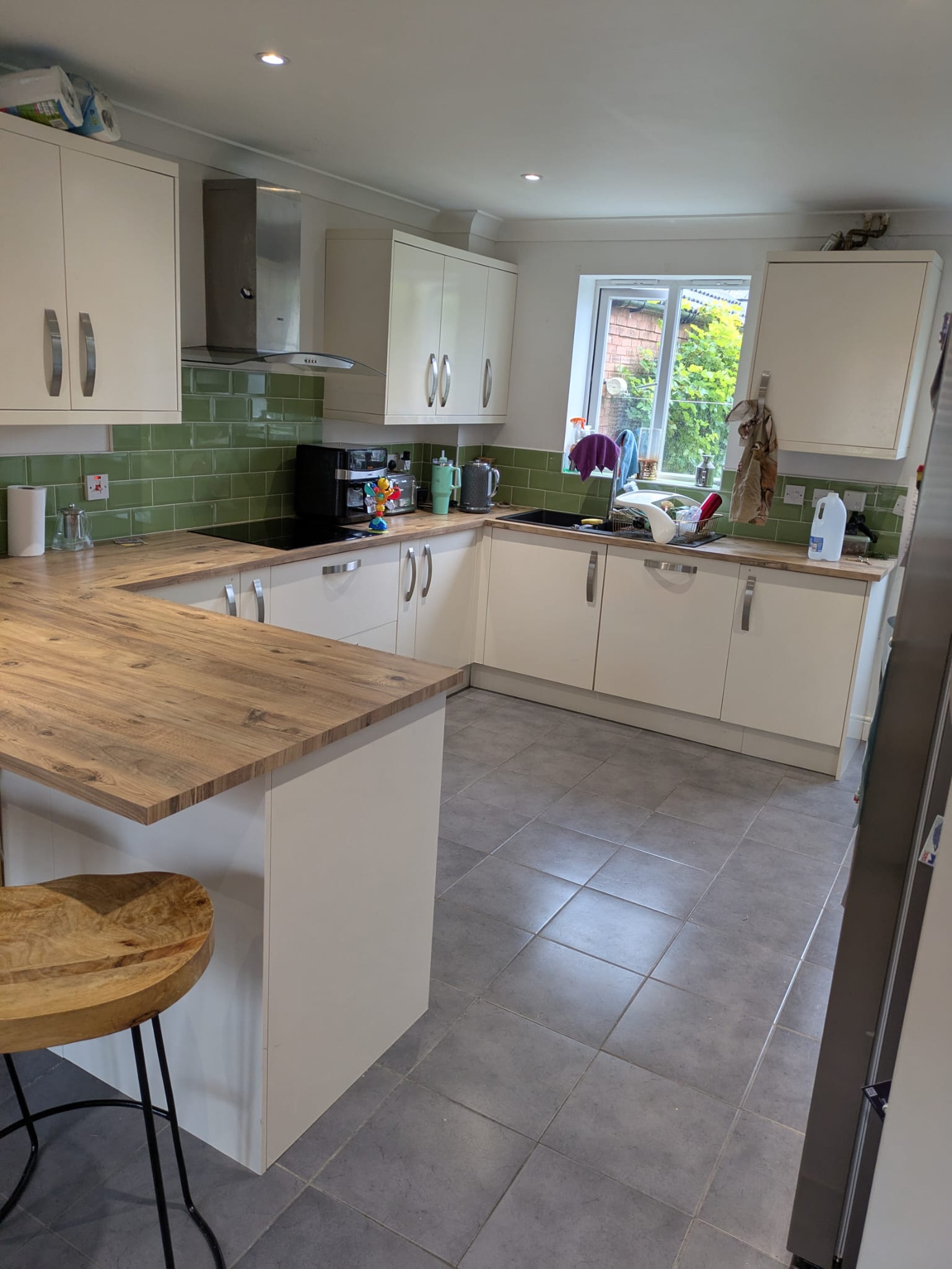
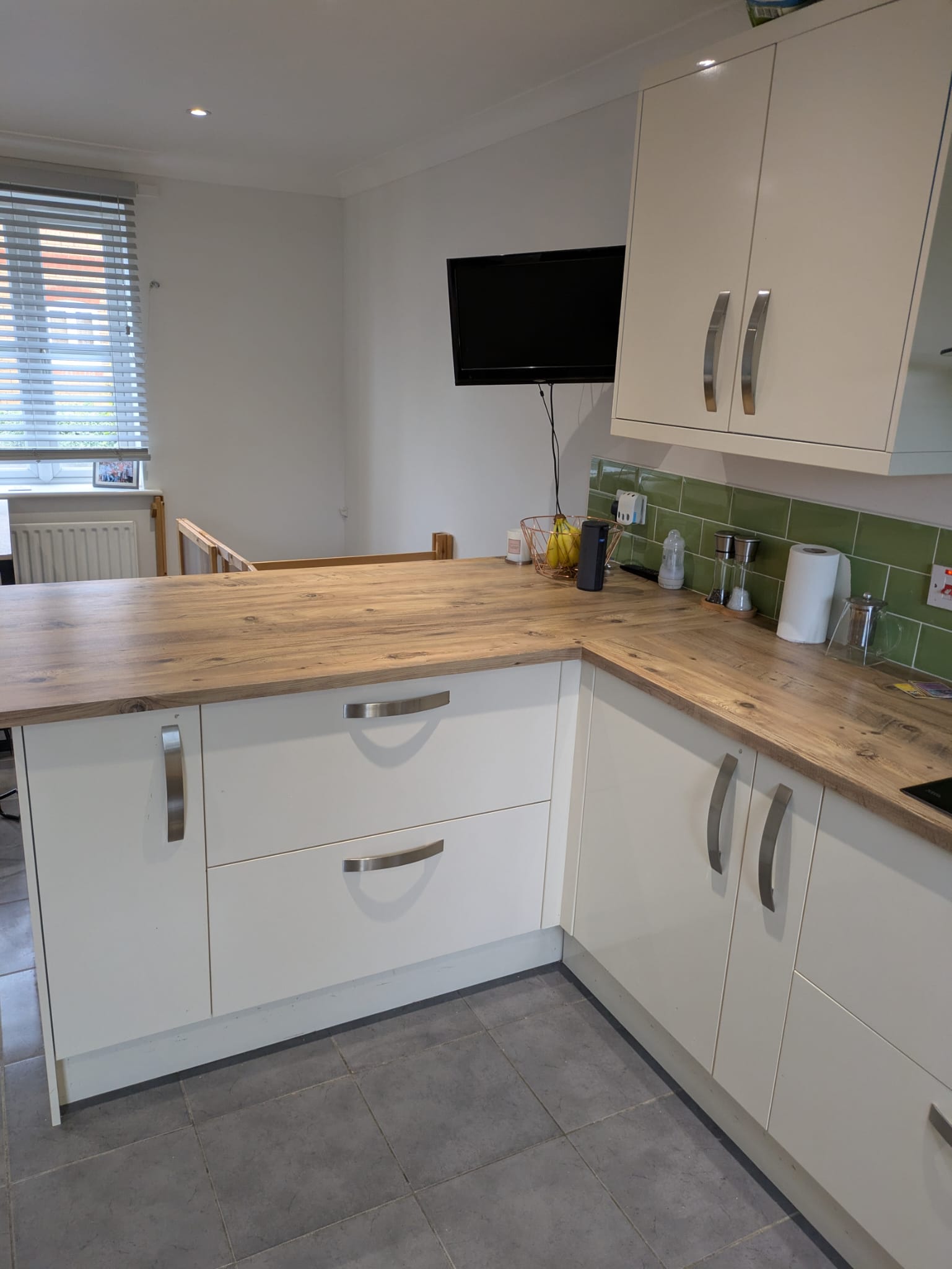
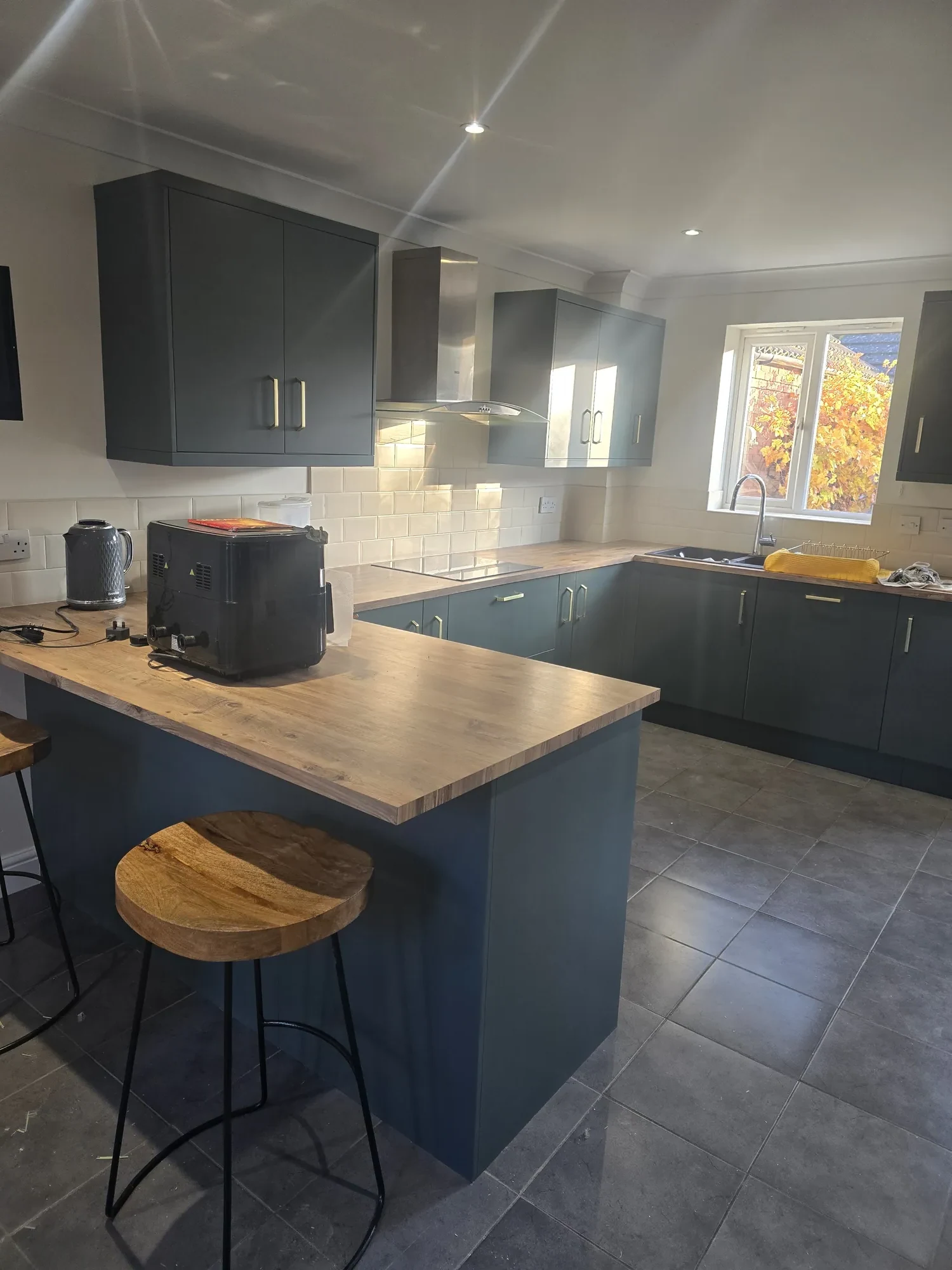
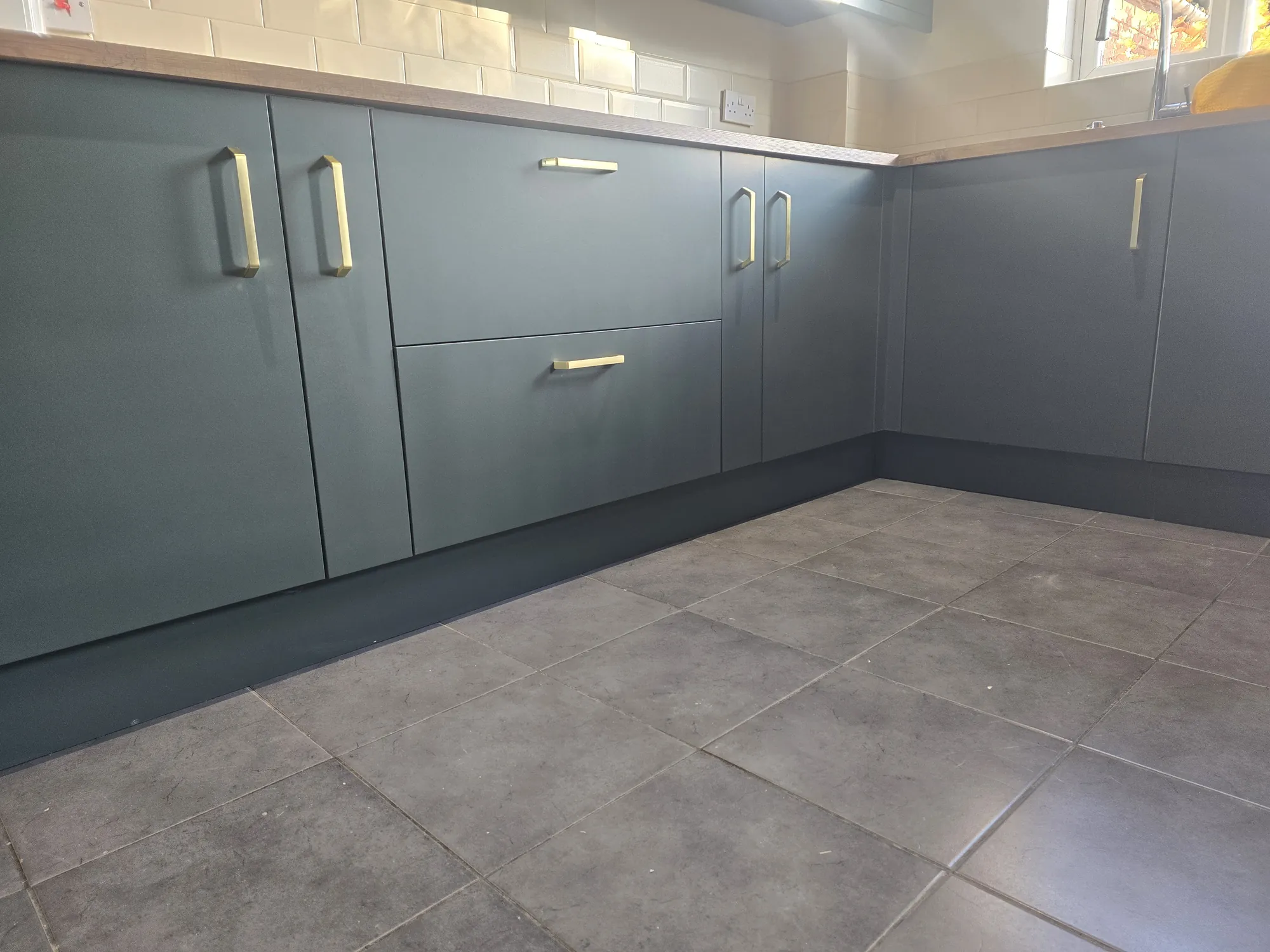
Can Foil-Wrapped Kitchens Be Sprayed?
Yes — but not with ordinary paint, and not without proper preparation. Foil-wrapped and laminate doors are an MDF core with a thin vinyl or melamine film bonded over the top. That film is designed to resist moisture and marking, which is exactly what makes paint struggle to stick to it. Get the preparation wrong and the finish will peel at the edges within months.
The Role of Adhesion Primers
The whole job hinges on the primer. A standard wood primer sits on top of a foil surface without keying into it. A dedicated adhesion primer contains resins that bite into non-porous surfaces such as vinyl, melamine and previously lacquered doors, forming a bond the topcoat can then build on.
This is the single most common reason DIY attempts at foil kitchens fail. The paint looks fine on day one, and then a fingernail catches an edge and the whole film lifts away in a sheet, because nothing was ever holding it to the door.
The Importance of Mechanical Preparation
Primer alone isn't enough. Kitchen doors carry years of cooking grease, and any residue left behind will stop the primer working no matter how good it is. We degrease every door thoroughly, then abrade the surface to give the primer something to grip.
We also check the edges carefully. Older foil kitchens often have areas near the oven or kettle where the film has already started to lift or bubble from heat and steam. Those sections have to be dealt with before spraying — sometimes trimmed and sealed, occasionally the door is too far gone and is better replaced. It's more honest to say that up front than to spray over a problem.
The Spraying Process: HVLP vs Airless
For kitchen doors we use HVLP. It gives finer control over a small, detailed surface and creates far less overspray than airless, which matters when you're working inside somebody's house. Airless has its place on large areas like walls and exterior masonry, but it puts down material faster than you want on a cabinet door.
Why Choose Spraying Over Replacement?
If the carcasses are solid, the hinges work and the layout suits you, the doors are the only part that looks dated. Replacing the lot means new units, disruption to worktops and plumbing, and a kitchen you can't use for a week or more. A respray typically takes a few days, and the kitchen stays usable for most of it.
The one honest caveat: if your carcasses are swollen from water damage or the layout doesn't work for how you cook, spraying makes an old kitchen look better without fixing the thing that actually frustrates you.
Getting a Price for Your Kitchen
We spray foil and laminate kitchens regularly across Lutterworth, Rugby and the surrounding villages, so we've seen how most of them behave. If you'd like yours looked at, book a free survey — we'll check the door condition, tell you whether it's a good candidate, and give you a written price with no obligation.